


Detector Maps
4.552.00 Reviews
App Specs
- Version
- 5.7.0
- Updated On
- License
- Free
- Downloads
- 10,000+
- Developer
- Gold Discovery Solutions Pty Ltd
- Categories
- Maps & Navigation
- Platform
- Android
Screenshots
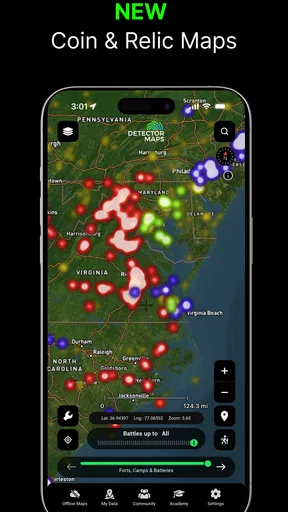
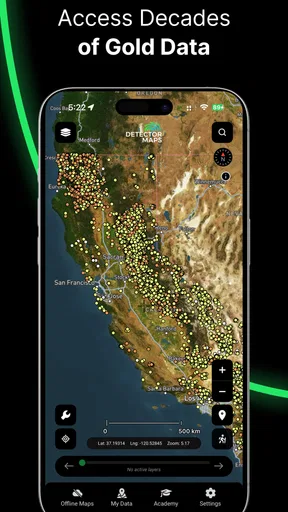
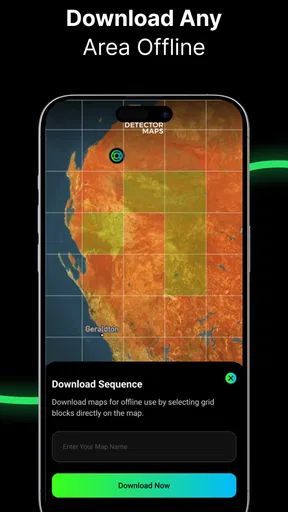
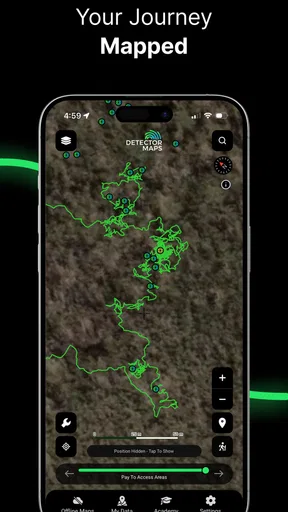
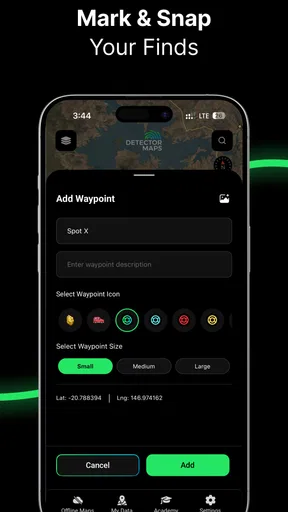
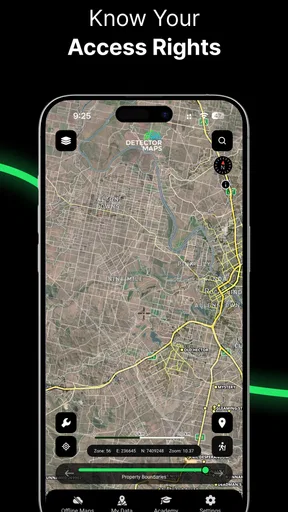
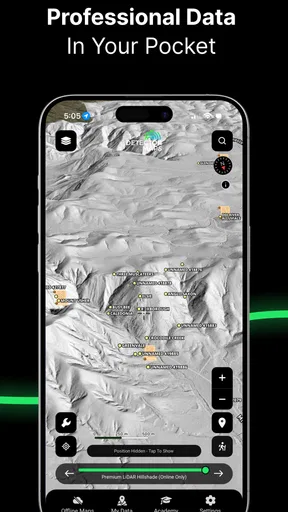
 Analysis by AppCompare
I like the idea behind Detector Maps: a navigation app that nudges you to look beyond the route and notice places nearby. That can make an unfamiliar neighborhood feel less like a corridor between errands and more like somewhere worth exploring. The key question for me is whether that discovery angle remains useful once the novelty wears off, and whether it fits the way you actually travel.
What the first week can tell you
For a first outing, I’d treat Detector Maps as a companion to a simple plan rather than a replacement for every map tool on your phone. Pick an area you already need to visit, then use the app to see whether anything nearby catches your interest. That’s a low-pressure way to judge whether its approach suits you without trusting an unfamiliar app with a time-sensitive journey.
A practical test is to search for one kind of stop you genuinely use—perhaps a place to sit, browse, or grab a drink—and compare the results with what you would normally choose. Notice not only whether the suggestions look appealing, but whether the descriptions give you enough context to decide. A list can be convenient; it becomes valuable when it helps you make a better choice than a quick map search would.
This is where the app’s discovery promise matters most. If you enjoy wandering and are willing to take a small detour, nearby points of interest can give an ordinary walk a purpose. If you mainly need the fastest route to a known address, though, discovery is a bonus rather than a reason to change your routine.
Getting Started with Detector Maps
First things first, downloading Detector Maps was a piece of cake. Available on both Android and iOS, it’s just a tap away from becoming your go-to mapping tool. The installation was smooth, and within minutes, I was ready to dive into its features.
As soon as I opened the app, I was greeted with a sleek, user-friendly interface. The layout is intuitive, which means you won’t be squinting at your screen trying to figure out where to go. Everything is laid out clearly, making it easy for even the least tech-savvy person to navigate.
Features That Stand Out
What really sets Detector Maps apart from other map apps is its unique ability to detect points of interest around you. Whether you’re looking for a cozy café to nestle in with a book or a bustling market to explore, this app has got you covered.
Worth Reading Before You Choose

Baby Panda World Brings Quick Play to Modern Phones, but Its Game Library Feels Busy

ESPN’s Live Game View Makes Following Close Games Easier

QuizzLand Review: A Good Fit for Short Trivia Breaks, Not Every Player

Basketball Stars: Multiplayer Is Fast, but Can It Recover When Matches Go Wrong?

WEBTOON Turns Phone Updates Into a Better Reading Routine

Link to Windows Runs on Shared Habits, Not Social Feeds
The search feature is robust. Just type in what you’re looking for, and boom, you’ve got a list of options at your fingertips. I particularly loved the detailed descriptions and user reviews that accompany each location. It’s like having a local guide in your pocket!
- Real-time updates: One of the coolest features is the real-time updates. Whether it’s traffic congestion or a new pop-up event, Detector Maps ensures you’re always in the loop.
- Offline mode: Traveling to a place with spotty internet? No worries! Just download the map in advance and explore without a hitch.
- Custom lists: You can create lists of your favorite spots, making it super easy to organize your adventures.
Making the app useful beyond a single outing
Custom lists can do more than collect places you liked after the fact. I’d use one as a lightweight plan for a day out: save a few possible stops, then decide on the day which ones fit the weather, your energy, and how much time you have. That keeps a trip flexible without making you search from scratch at every turn. It also helps you separate places you genuinely want to revisit from options that merely looked interesting in the moment.
There’s a useful trade-off here. A saved list is only helpful if you keep it tidy. If every passing suggestion gets added, the list can become a second inbox that you never check. I’d periodically remove places that no longer matter and keep a short list for the next outing rather than trying to catalogue an entire city.
Offline maps are best treated as preparation, not a guarantee that every part of the experience will work without a connection. Before travelling somewhere with unreliable coverage, download the area while you still have internet and check that the map is available. Then plan your route and save the places you care about ahead of time. That way, you’re less dependent on searching for something new once you arrive. For a remote trip where navigation is safety-critical, I’d still bring a dedicated backup and avoid assuming a general discovery app is all you need.
A realistic day out, and where the app fits
Imagine you’re visiting a part of town for an appointment and have an hour free afterward. You could search nearby for somewhere to spend that time, read the descriptions, and choose a place that feels more interesting than the nearest obvious option. If you find a second stop along the way, add it to a list for another visit instead of trying to fit everything into one afternoon. This is a modest use case, but it shows the app’s recurring appeal: it can turn spare time into a small, manageable outing.
For a familiar commute, I’d use a conventional navigation app first. Those tools are generally built around getting from A to B, traffic-aware routing, and established habits. Detector Maps makes more sense when the destination is less important than what you might discover nearby. I wouldn’t expect it to replace a specialist transit planner, a trail-navigation tool, or a map that you already trust for a complicated drive. It can complement those choices when curiosity is part of the trip.
The app is therefore best suited to people who like exploring neighborhoods, planning casual stops, or keeping track of places they may want to visit. It’s less compelling for someone who only wants turn-by-turn directions to familiar destinations, or who needs detailed specialist navigation. That distinction is worth making before you add another map app to your daily rotation.
My Experience Using Detector Maps
On a sunny Saturday, I decided to put Detector Maps to the test. I was in the mood for some spontaneous exploration, so I headed to a part of town I wasn’t too familiar with. With a few taps, I discovered a charming little bookstore that I’d never have found on my own. The app’s ability to suggest hidden gems was truly impressive.
Another thing I noticed was how accurate the directions were. None of that "oops, wrong turn!" nonsense. The app guided me smoothly from one point to the next. Plus, the voice navigation was clear and didn’t sound like a robot from the future, which is a win in my book.
What keeps it in rotation—and what can wear thin
Discovery apps depend on their suggestions feeling relevant. If you open the map repeatedly and keep seeing places that don’t match what you’re looking for, the novelty can fade quickly. I’d judge Detector Maps over several different kinds of outing, not just one successful browse: try it when you have time to explore, then again when you need a specific kind of stop. That makes it easier to tell whether it earns a regular place on your phone or is simply fun for a first weekend.
There is also a small attention cost to browsing while moving. I’d look at options before setting off or pause somewhere safe, rather than trying to read descriptions while walking or driving. Navigation is most useful when it reduces distraction, not when it gives you more reasons to stare at the screen. A little planning—choosing a destination or saving a shortlist before leaving—can make the app feel calmer and more practical.
For someone deciding whether it is worth keeping, the clearest test is repeat use. Do you reach for the saved places again? Do the suggestions help you choose a stop you would have missed? If the answer is yes, the app is doing something beyond duplicating a basic map. If you rarely explore and never revisit saved locations, its extra discovery layer may not justify another habit to maintain.
Cost, compatibility, and the ongoing commitment
Detector Maps is a free app in the maps and navigation category, made by Gold Discovery Solutions Pty Ltd. Its current version is 4.4.0, and it requires Android 7.0 or later. The age rating is Everyone. The app has an average rating of 4.1 from 345 ratings, with 10K+ installs, which gives a newcomer some context about its audience without telling you whether its particular style will suit your routine.
There are in-app purchases ranging from $9.99 to $99.00 per item. I’d start with the free experience and work out whether you use the app regularly before considering any purchase. The important question is not whether extra options sound appealing, but whether they solve a recurring problem for you. If your interest is occasional neighborhood browsing, there may be no reason to spend; if you find yourself relying on it often, review the purchase details carefully before committing.
That approach also helps with maintenance. Keep the app updated when convenient, review your saved lists once in a while, and download any map you expect to need offline before leaving reliable internet. These are simple habits, but they determine whether the app is ready when you want it. If you don’t want to manage saved places or plan ahead for offline use, a familiar general-purpose map may feel easier day to day.
The Verdict
After spending some quality time with Detector Maps, I can confidently say that it’s a must-have for anyone who loves exploring new places or just wants a reliable navigation tool. The app combines practicality with a touch of adventure, making every outing an opportunity for discovery.
So, if you’re ready to trade in your basic map app for something that adds a little extra magic to your journeys, give Detector Maps a shot. Trust me, you won’t regret it!
My more measured recommendation is to try it alongside the map you already trust, then see whether it changes what you do on ordinary outings. It earns its space when the discovery tools, saved places, and offline preparation become useful habits rather than features you admire once and forget. If all you need is dependable directions to known places, your usual navigation app is probably the simpler choice. If you enjoy leaving room for an unexpected stop, this one has a clearer reason to stay installed.
Pros
- Accurate location tracking capabilities.
- User-friendly interface with easy navigation.
- Real-time traffic updates and alerts.
- Offline maps available for remote areas.
- Customizable map views and settings.
Cons
- Consumes significant battery power.
- Some features require in-app purchases.
- Occasional map loading delays.
- Limited language support options.
- Requires constant internet connection.
FAQs for Detector Maps
What is Detector Maps and how does it work?
Detector Maps is an advanced navigation app designed to enhance your travel experience by integrating real-time traffic updates, location-based alerts, and detailed maps. It utilizes GPS technology to provide accurate directions, while its user-friendly interface makes it easy to navigate and customize your routes. It's ideal for daily commutes or planning longer trips.
Is Detector Maps available for both Android and iOS devices?
Yes, Detector Maps is available for both Android and iOS platforms. You can download it from the Google Play Store for Android devices and the Apple App Store for iOS devices. Ensure your device meets the app’s system requirements for optimal performance and compatibility.
Does Detector Maps require an internet connection to function?
Detector Maps primarily relies on an internet connection to provide real-time traffic updates and location-based services. However, it also offers offline maps, which can be downloaded in advance for navigation without a constant internet connection. This feature is particularly useful when traveling in areas with poor network coverage.
Are there any subscription fees or in-app purchases in Detector Maps?
Detector Maps offers a free version with basic features, but it also includes optional in-app purchases and subscription plans for premium features. These may include ad removal, enhanced traffic data, and additional map customization options. Be sure to check the app's pricing details before making any purchases.
How does Detector Maps ensure user privacy and data security?
Detector Maps is committed to user privacy and employs robust security measures to protect your data. It uses encryption protocols to safeguard personal information and location data. Users have control over data sharing settings, and the app complies with international privacy regulations, ensuring a secure and private user experience.


